



































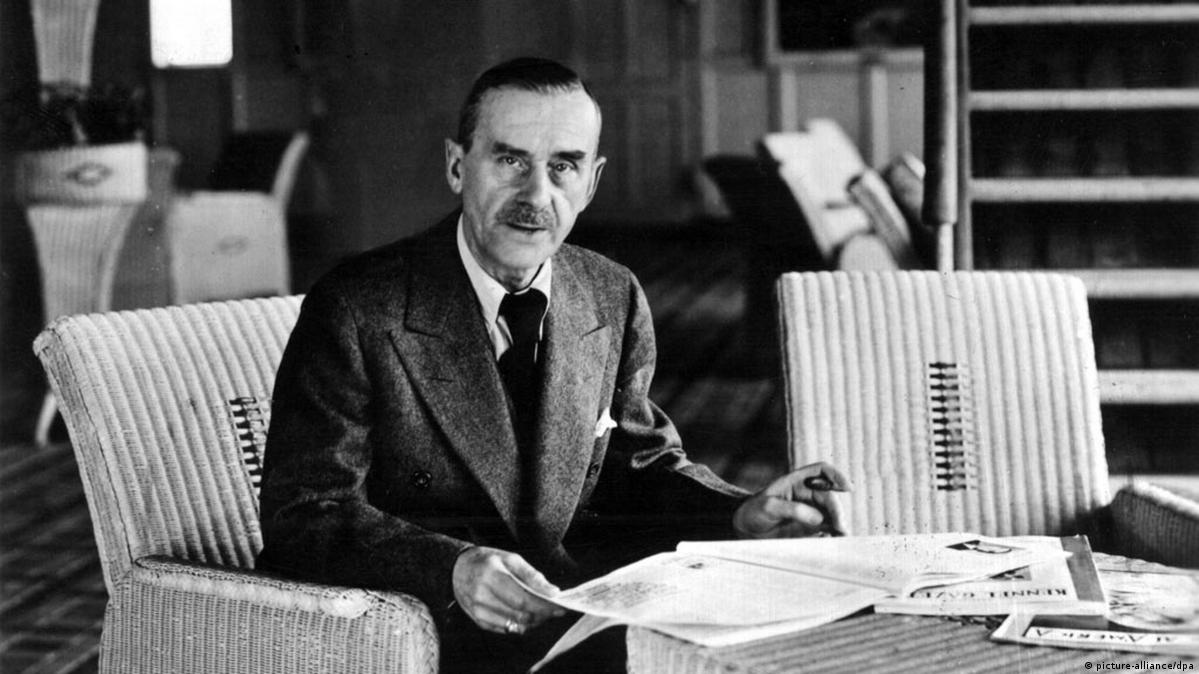
Thomas Mann is renowned as one of the most influential German writers of the twentieth century, with celebrated works such as Death in Venice and The Magic Mountain that have been widely acclaimed. However, his most popular work remains to be his first novel, Buddenbrooks, which was published in 1901 and is widely considered to be a masterpiece not just of German literature, but of modern literature in general. This guide aims to provide an overview of Mann’s classic work in order to provide a better understanding of what makes it an enduring classic.
What is Buddenbrooks?
Buddenbrooks is a classic German novel written by Thomas Mann in 1901. It is a story of a wealthy and aristocratic German family from Lübeck, spanning four generations between 1835 and 1877. The novel tells a story of the gradual decline of the family’s economic and social status in order to assess the changing dynamics of middle-class life in the late 19th century.
What Makes Buddenbrooks Such a Timeless Classic?
There are a number of key factors that make Buddenbrooks such a classic work and ensure that it continues to be read by people even a century after its publication. Firstly, it is a timeless portrait of the human nature and condition, as it examines in great detail the nature of family dynamics, interpersonal relations, and the effects of wealth, power, and status on individuals and families alike. Secondly, the novel is also deeply psychological in its exploration of characters, providing us with insights into the development of the protagonist, Tony Buddenbrook, and the rest of the family members. Lastly, it is a highly detailed and meticulously researched work, offering insights into the changing dynamics of the 19th-century German society.
Themes and Symbols in Buddenbrooks
One of the most remarkable aspects of Buddenbrooks is the sheer number of themes and symbols that Mann employs to paint a vivid, multifaceted picture of his characters and their universe. The theme of rejection and alienation is, perhaps, the most prominent one, as it is demonstrated throughout the novel in a multitude of ways. Mann also employs a wide variety of symbols, particularly those related to food and eating, to probe the characters’ inner lives and to illustrate the passage of time in the novel. Further, Mann also uses the motif of birds to symbolize the change of generations and, ultimately, the family’s changing fortunes.
Structure and Style of Buddenbrooks
Mann makes use of a highly complex and sophisticated structure for the novel, alternating between different narrators, times, and even perspectives to create a multifaceted view of the novel’s events and characters. The novel also incorporates dual protagonists, with two primary characters in Tony Buddenbrook and his sister, Christiane. From a stylistic point of view, the novel is characterized by a great deal of poetic prose and nuanced observations, casting a sharp light on the characters’ inner worlds and the family’s lives and circumstances.
Critical Reception and Legacy of Buddenbrooks
It is no surprise that Buddenbrooks was a critical success when it was first released, as ithad been crafted with considerable skill and attention to detail. Over the years, it has become not just a beloved classic of German literature, but also of modern literature in general. It has been judged by many critics as one of the greatest novels ever written, and has inspired a number of film adaptations, stage plays, and operas.
Thomas Mann’s Buddenbrooks is a timeless masterpiece that continues to be read and appreciated even a hundred years after its initial publication. It is a complex, detailed, and highly evocative work that offers insights into the nature of the 19th century German society, as well as explore a variety of themes and ideas to paint a vivid portrait of the changing fortunes of a wealthy family.